1800 233 2309


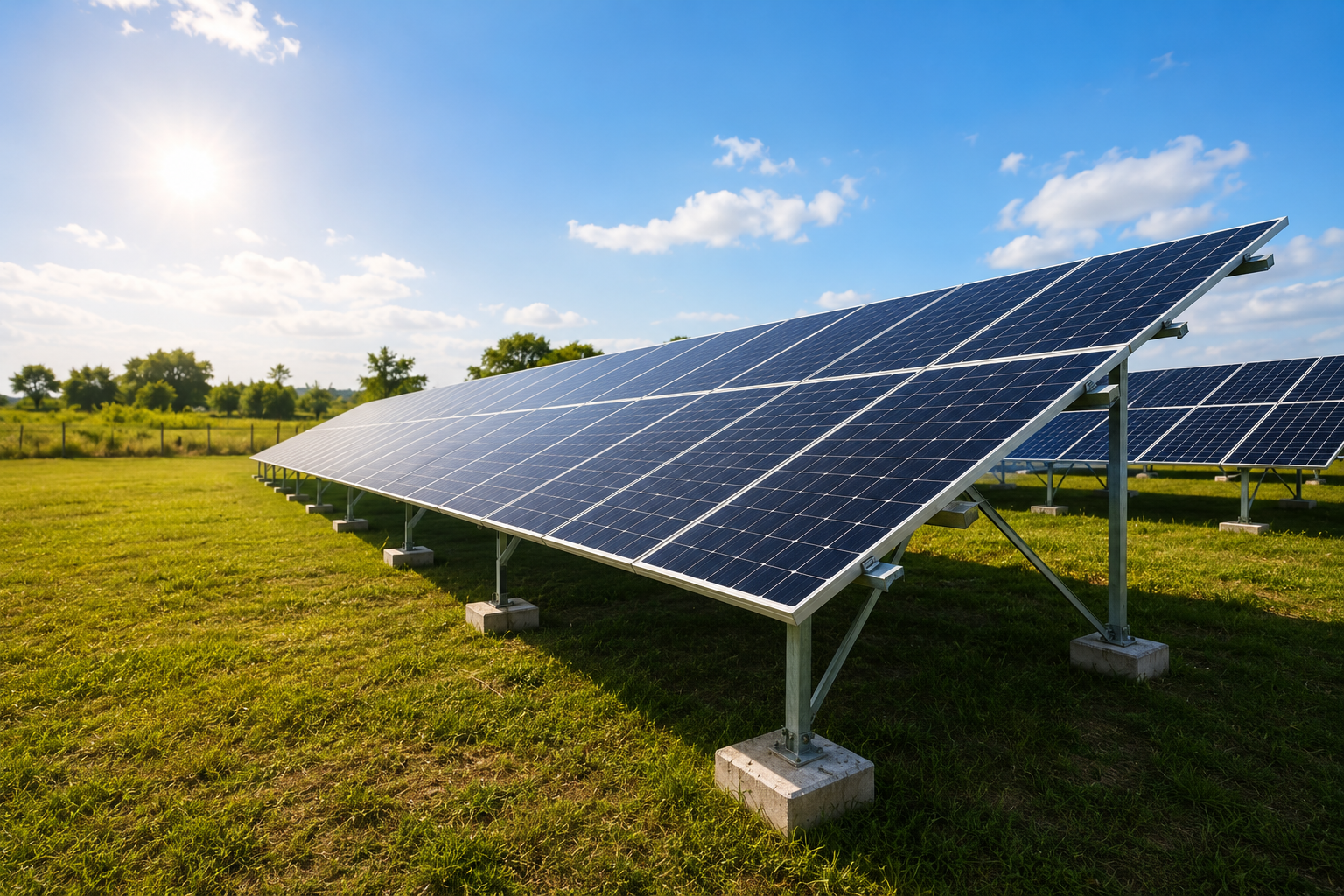
A ground-mounted solar system can be a great option when rooftop space is limited or when a larger energy capacity is needed. It offers greater design flexibility, better maintenance access, and often higher efficiency. But unlike rooftop systems, ground installations require more planning and careful evaluation of site conditions. Here are nine important things to think about before you install one!
The first thing to check is whether you have enough open land. Ground-mounted systems need clear, usable space without irregular shapes that make panel arrangement difficult. Even if land is available, its layout plays a big role in how many panels can be installed efficiently.
Solar performance depends heavily on uninterrupted sunlight. The site should be free from shadows caused by trees, buildings, or nearby structures. Even partial shading at certain hours can reduce overall system output, so a proper sunlight study is important before installation.
The type of soil affects how well mounting structures can be fixed. Loose or sandy soil may require deeper or reinforced foundations, while hard soil offers better stability. A basic geotechnical check helps ensure the structure remains safe and durable over time.
Panel direction and tilt angle directly influence energy generation. In India, south-facing installations with an optimised tilt usually give the best results. Proper design ensures the system captures maximum sunlight throughout the year, rather than just during certain seasons.
Long distances between the solar system and the point of electricity use can increase wiring costs and energy losses. It is important to plan placement in a way that keeps cables short and connection efficiency high.
The site should not be prone to waterlogging or flooding during heavy rains. Poor drainage can damage electrical components and weaken structural foundations. Slight elevation or proper drainage planning can prevent long-term issues.
Depending on the region, ground-mounted systems may require approvals from local authorities or electricity boards. Understanding regulations in advance helps avoid delays or compliance issues during installation.
One of the advantages of ground systems is easier maintenance. However, the layout should still allow smooth access for cleaning, inspection, and repairs. Proper spacing between rows of panels is essential for both airflow and maintenance work.
Energy needs often grow over time. Planning the layout in a way that allows additional panels in the future can save significant cost and effort later. Leaving space for expansion is a smart long-term approach.
Installing a ground-mounted solar system is not just about placing panels on open land. It is a combination of site planning, engineering, and long-term thinking. When these factors are considered carefully, the system delivers better performance, longer life, and more consistent energy output over the years. Reduce electricity costs and carbon footprint, go solar with Zodiac Energy today!
© Zodiac Energy Limited 2026 All rights reserved.